Fractional operations · For scaling companies

The business case and the build.

You've outgrown how something was first set up, and you can't justify a full-time hire to fix it. I build or rebuild it in 90 days, usually without adding headcount, then hand it to the person who'll own it.

Book an intro call

30 minutes, no pitch. You describe the gap; I'll tell you if it's a 90-day problem.

Former Chief Customer Officer 3× win rate $7M → $30M ARR

Nothing breaks on its own.

The slow onboarding isn't an onboarding problem. It's a handoff nobody owns.

The handoff isn't the real problem either. It's a process that lives in one person's head.

When that person is out, the whole thing stops.

I trace it back to where it starts, make the case for fixing it there, and build the fix.

Selected results

What changed when the process changed.

Mature+30 ptswin rate on deals using AI value tooling
Mature+30 pts win rateAI-built business value assessments and ROI tooling for an existing value engineering team, carried past the sale into success plans.
Build3×win rate, 2× average deal size
Build3× win rate, 2× deal sizeTurned the business case into a repeatable sales step: assessments, an ROI calculator, and the team and process to run them. Built on a solutions engineering org founded from scratch and grown to nine people.
Mature$7M → $30MARR at 120% net retention
Mature$7M → $30M at 120% NRRSegmentation, automation and pooled coverage let 12 CSMs cover 2,000 customers through the growth.
Mature+33 ptsgross retention
Mature+33 pts gross retentionA turnaround built on clarity across the whole customer lifecycle, spanning customer experience and product.
Mature−25%onboarding time
Mature−25% onboarding timeJoined pre-sales and post-sales into one handoff.
Mature−80%time to close tickets, 94% CSAT
Mature−80% time to close, 94% CSATReworked support for a 400-customer base, with ticketing rebuilt around routing, tiering and self-serve.

From roles leading these functions inside growing SaaS companies. Company names withheld.

Book an intro call

Who you'd be working with
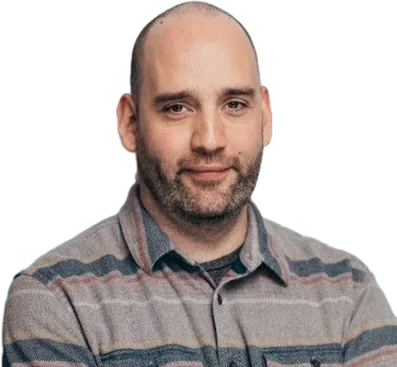
Michael Connery, founder of Saysirara

I'm Michael Connery. I spend my days as an AI go-to-market engineer, which mostly means wiring systems together and working out where a process should stop involving people.

Before that, I spent ten years at one software company, starting as a customer success manager and leaving as its Chief Customer Officer, on the executive team running customer experience, product and solutions engineering. Along the way I built customer success, solutions engineering and value engineering as the company grew into each one. That's where I learned what a function actually needs at each size, and how much of what you build at twenty people has to be thrown out at a hundred.

Saysirara is the consultancy. It's named after how my kids used to say their own names, which is the least corporate thing about it and the part I'm least willing to change.

I take on two companies at a time. Most have outgrown the way they first set something up and don't yet have the person to own fixing it. When part of the work needs a specialist, I bring in one I've worked with and stay accountable for the result.

Based in Maine Former Chief Customer Officer Scaled with companies from under $5M to $75M+ ARR 90-day engagements

How I decide what runs how

Human, AI, or automation?

Most functions are overstaffed on the first and understaffed on the other two. That's the actual fix. Not more headcount.

Human

Only the judgment calls reach a person.

Needs a decision2 open1 open
Policy exceptionContractor needs admin access for a migration.
Approved by MikeAccess expires when the migration ends.
Vendor renewal18% increase on a three-year term.
ApprovePush back

The one person left on the IT team now spends their time on policy exceptions and vendor decisions.

AI

The research is done before the rep logs in.

Account briefDrafted 6:02 am
HiringFour solutions engineers in EMEA, posted in the last 30 days.Job posts
PeopleNew CFO started in August.Press release
TimingIncumbent contract renews next quarter.CRM
AngleThe cost of manual onboarding at their size.Suggested

Account research and deal prep are drafted before the rep opens the opportunity.

Automation

One form in. Six jobs done.

Create the account Order the laptop Slack + email invite Assign the seat VPN and SSO access Payroll record
New hire onboarding1 form
NameJordan Lee
RoleAccount Executive
StartsMonday
Approved once, in Slack · 9:14 am
  • Account created9:14:02
  • Laptop ordered9:14:03
  • Slack + email invites sent9:14:03
  • Seat assigned9:14:04
  • VPN and SSO access granted9:14:05
  • Payroll record added9:14:06

Onboarding runs from one form, laptop included.

Two ways in

Build it, or get it ready for what's next.

Sales engineering, customer success, enablement, value engineering, IT. Whatever the gap is, built from scratch using what worked scaling companies from under $5M to over $75M in ARR.You already have the function, and it worked at the size you were. It won't at the next one. I get it ready before it hits the wall.

01Build
Scope the gapWhat the function needs to do, and the business case for it.
01Mature
Audit what's happeningAs opposed to what everyone thinks is happening.
02Build
Sort the workHuman, AI, or automation — decided before anything gets built.
02Mature
Find the constraintThe one thing that breaks first when volume doubles.
03Build
Build the lean versionOnly what the sorting calls for. Nothing extra.
03Mature
Design the next phaseThe same sort: what stays human, what moves to AI, what gets automated.
04Build
Connective tissueHandoffs and documentation, so nothing lives in one head.
04Mature
Build the upgradeNew roles or new tooling, built while the current team keeps running.
05Build
Install the owner, step backI hire or identify the permanent lead and hand over for real.
05Mature
Hand offSame exit. No lingering retainer.

The last card is always the handoff.

Who this isn't for

I'm not the person who optimizes one process forever.

If that's what you need, it's a job for a dedicated specialist at a bigger company with the budget for one. I'm for the gap that doesn't have an owner yet, or the function that's about to outgrow how it was built.

Common questions

Before you book.

What does Saysirara do?

Saysirara is a fractional operations consultancy run by me, Michael Connery. In a 90-day engagement I either build a function from scratch (sales engineering, customer success, enablement, value engineering or IT) or get an existing one ready for its next phase, then hand it to the person who'll own it.

Who is it for?

Growing companies that have outgrown how they first set something up but can't yet justify a full-time leader for it. Build engagements usually fit companies under $15M in ARR that don't have the function yet; Mature engagements fit companies at $15M to $30M+ whose function won't scale the way it was built.

How is this different from hiring a fractional COO?

The scope is fixed: 90 days, one function, and a planned handoff instead of an ongoing retainer. Before anything gets built, I sort the work into what needs a person, what AI can handle and what should be automated, so the answer is rarely more headcount.

What happens after the 90 days?

The work is handed to the person who'll own it, whether that's someone already on your team or a lead I help you hire. There's no lingering retainer.

How do we get started?

Book a 30-minute intro call. There's no pitch: you describe the gap, and I'll tell you whether it's a 90-day problem. Not ready for a call? Email mike@saysirara.com.

Next step

Worth a conversation?

If something above sounds like your company right now, let's talk.

Book an intro call

30 minutes, no pitch. 90-day engagements, no lingering retainer.

Not ready for a call? Email mike@saysirara.com.